Currently Empty: £0.00
Every cup of coffee really starts long before the water ever touches the grounds. It begins with the bean itself, and yeah, like how it was roasted, how fresh it is, and how it gets ground. If you’ve ever wondered why your coffee ends up tasting kind of flat, like not quite “right” compared to your favourite café, there’s a pretty usual reason and it mostly comes down to those three things. The good part is, when you order coffee beans online, you usually get a lot more say over all of this than you do grabbing a generic bag from a supermarket shelf. Whether you’re stocking up for a home espresso setup or just restocking the office kitchen, picking a decent supplier can make a noticeable difference.
Why Freshness matters more than anything else
Coffee beans start losing flavour the second they’re roasted. Oxygen, light, and moisture all team up against the natural oils and aromatic compounds that give coffee its personality. So, freshness ends up being the biggest separator between “fine” coffee and something genuinely exceptional. When you order coffee beans from a dedicated roaster instead of a supermarket selection, the beans are typically roasted within days of your purchase, not months.
Try to find a roast date on the packaging, not only a “best before” date, because that one can be kind of misleading. Ideally, aim to use the beans within about two to four weeks after roasting to catch peak flavour. Also, smaller batches help. Instead of buying one huge bag that you open and then slowly work through, frequent smaller orders usually keep the taste more alive, because beans degrade faster once the bag is opened.
Understanding Roast Levels
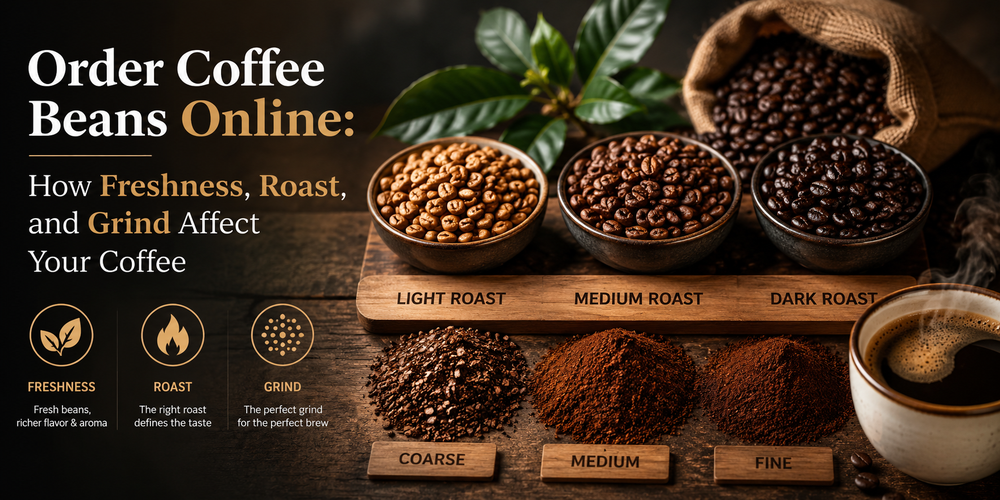
Roast level sort of shapes everything about the cup acidity, sweetness, body, bitterness, all of it. Most roasts fall into three broad groups:
- Light roasts keep more of the bean’s original character, often bringing up fruity or floral notes, with a brighter acidity.
- Medium roasts tend to balance acidity and body, which is where you often get caramel and nutty vibes, a very common “sweet spot” for most people.
- Dark roasts go for stronger, smoky, chocolatey flavours, with lower acidity, though you do lose a bit of the subtle origin character along the way.
There’s not one “correct” roast either, it’s really about your palate and the way you brew. Espresso drinkers often lean toward medium-dark roasts for that fuller, crema-friendly profile. Meanwhile, pour-over lovers usually gravitate toward lighter roasts to highlight origin flavour. If you’re searching for the best coffee beans for your taste, a smart move is to try a few roast levels from the same supplier, then compare how your palate reacts.
Why Grind Size changes everything
Grind size is one of those factors people forget about, yet it changes extraction a lot. If the grind is too coarse, the coffee can taste weak and under-extracted. If it’s too fine, you can end up with bitterness and over-extraction. So matching grind size to your brewing style is kind of the key:
- Coarse grind — French press, cold brew
- Medium grind — drip machines, pour-over
- Fine grind — espresso machines
- Extra-fine grind — Turkish coffee
Whole beans and grinding just before brewing is always the better option, because ground coffee loses freshness within minutes after grinding. That’s due to the increased surface area exposure to air. If you don’t have a grinder yet, many suppliers will grind the beans to order based on your chosen brew method, which is worth asking about when you place your order. In fact, plenty of customers who switch to ordering specialty blends like Ciao Decaf Beans 10x500g notice the difference quickly, from the first cup onward, especially in smoothness and aroma.
Choosing the Right Coffee Beans Supplier Online
Not every online seller brings the same quality to the table, and this is where choosing a reliable coffee beans supplier really pays off. A good supplier should be open about roast dates, sourcing, and origin, and they should offer a real selection instead of only one generic house blend. When browsing, try to look for suppliers that provide:
- Clear roast dates and origin information
- A range of roast levels plus single-origin options
- Ethical and sustainable sourcing, like Fairtrade or organic certifications
- Flexible pack sizes, whether for homes, cafés, or offices
- Options for whole bean or custom grind
If sustainability actually matters to you, blends like Ciao Fairtrade Organic Coffee Beans 10x500g are often a solid option. They bring together ethical sourcing with consistent roast quality, so they work well for both home brewing and commercial use.
Coffee Beans for Sale: What to look for before you buy
With so many coffee beans for sale online, it’s easy to feel a bit overwhelmed by choice. Before you add anything to your cart, do a quick check: confirm the roast date, check the origin (single-origin versus blend), and see whether the bag includes a one-way valve to release CO2 while keeping oxygen out. Pack size matters too. A smaller bag you replace more often usually preserves freshness better than a bulk pack that ends up half-used for weeks. Also, reviews and ratings can help you spot consistency issues. Roast quality can shift from batch to batch, even with brands people trust, so feedback is often a useful clue.
Conclusion: Order Coffee Beans Online
So, when you order coffee beans online you kind of get this nice shortcut to fresher roasts, wider choices, and honestly, more control over the flavour, than the average supermarket line-up ever manages. If you take a moment to look at the roast date, pick a roast level that fits, and set the grind size to match your brewing method, then you can usually pull off that café cup at home, every time. Whether you’re hunting for a smooth decaf option or a responsibly sourced blend, choosing something like Ciao Decaf Beans 10x500g, or going for another specialty range, can make your everyday coffee feel upgraded, for real. For a properly curated stash of freshly roasted, ethically sourced coffee beans, plus machines that actually fit, head to dipacicoffeemachine.com and see a selection made for people who take coffee more seriously than a quick “whatever is on offer” moment.
Frequently Asked Questions
- How fresh should coffee beans be when I buy them?
Try to buy beans roasted within the last two to four weeks. Don’t lean only on the best-before date, check the roast date on the packaging, instead. - What’s the best way to store coffee beans at home?
Keep them in an airtight container, and tuck it away from light, heat, and moisture. Skip the fridge or freezer, because condensation can mess with the beans, not in a good way. - Should I buy whole beans or pre-ground coffee?
Whole beans are usually the better move, because grinding right before brewing keeps the flavour and aroma much more alive. Pre-ground coffee loses freshness fast, so it can taste a bit tired quicker. - What roast level is best for espresso machines?
Medium to dark roasts tend to work well for espresso, they bring more body and crema, which is what a lot of espresso fans look for. But yeah, taste is king here, so it’s not a one-size rule. - How do I know which grind size to choose?
Match the grind to how you brew: coarse for a French press, medium for drip machines, fine for espresso, and extra-fine for Turkish coffee. If the grind is off, the cup usually tells you. - Are Fairtrade and organic coffee beans worth the extra cost?
A lot of customers think the ethical sourcing and steady quality justify the price. And blends like Fairtrade organic options can deliver strong flavour, alongside the certifications people look for. - Can I order coffee beans online in bulk for an office or café?
Yes, many suppliers offer bigger pack sizes, like 10x500g options, and those are handy for offices, cafés, or any place where coffee disappears quickly. - Is decaf coffee lower quality than regular coffee?
Absolutely not. Modern decaffeination methods help preserve flavour, so good decaf blends can taste surprisingly close to regular coffee, without the same caffeine load.